
Off-plan vs ready: the risk you are actually taking with each
mx editorial · 30 August 2026 3,402 reads
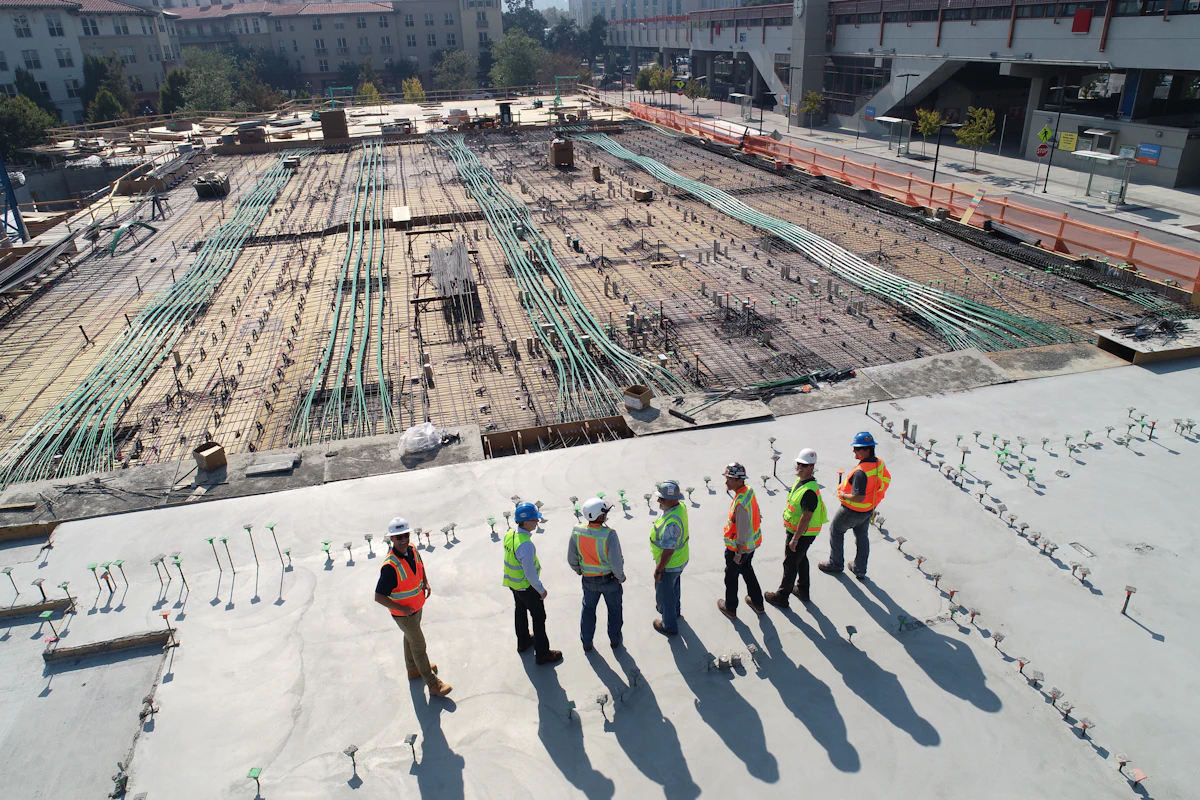
Every property purchase in the UAE is a bet on one of two things. Buy off-plan and you are betting on completion: the developer delivers, the market holds, and the discount you paid at launch becomes equity at handover. Buy ready and you are betting on income: the unit is built, tenanted or tenantable, and priced in full today. Neither is wrong. What matters is knowing which risk you are underwriting.
The headline attraction of off-plan is entry price. Developers sell at launch discounts of 10–20% against comparable ready stock, and payment plans stretch the commitment across construction — sometimes 60/40, sometimes 1% a month. The discount is real, but it is payment for a service: you are the financier of a building that does not exist yet. The risks are delivery risk (delays of a year or more are common enough to be a planning assumption, not a shock), quality risk (the finished product rarely matches the brochure render), and market risk compounded by time — a softening market hurts an off-plan buyer twice, because the comparable price falls and the delivery date gives it longer to fall.
The protection regime matters and has improved. Dubai requires off-plan payments to go into project escrow accounts, released against construction milestones certified by an independent engineer. Registered projects, verified escrow, and the developer's delivery track record are the three checks that separate the disciplined off-plan buyer from the hopeful one. If any of the three cannot be verified, the discount is not a discount — it is a fee. Treat "guaranteed rental returns" attached to an off-plan launch with particular care: a guarantee is only as strong as the developer's balance sheet, it is usually priced into a higher purchase price, and it expires exactly when the income needs to become real.
Ready property inverts the trade. You pay the full price today, finance up to 80% if you qualify, and the asset starts earning — or housing you — immediately. The risks are different in kind: you overpaid (valuation discipline solves this), the building has deferred maintenance (service charge history reveals it), or the tenant profile is weaker than the brochure suggested (the tenancy contract and payment history reveal that). Ready risk is knowable risk. Everything is inspectable, rental history exists, and the bank's valuer walks the actual unit.
Where does fractional ownership sit? On mx Blocks and mx Mint, the platform lists ready, income-producing assets — deliberately. Fractional investors are buying monthly distributions, and distributions require a building that exists and tenants under contract. The off-plan style of risk — capital locked against a future delivery date — is the opposite of what a monthly-income product should carry. If you want off-plan exposure, the honest way to hold it is directly, with escrow protection and money you genuinely will not need until handover.
A useful way to decide is to ask what the money is for. Money that needs to be productive now — paying you monthly, exitable through a marketplace — belongs in ready, income-producing assets. Money you will not need for three years, sized so a delay would not hurt, can take the off-plan discount with open eyes. Problems start when buyers drift across that line: using short-term money for a long-illiquidity bet, or expecting income from an asset that cannot produce any yet.
Both routes reward the same discipline. Verify the escrow or the title. Read the valuation, not the brochure. Price the exit before the entry. The platform's valuation reports and property pages exist so you can run those checks in minutes — whichever side of the off-plan line you invest on.